


Most homeowner policies cover dog bite damages up to policy limits, but owners are responsible for the rest. The Chris Pine neighbors’ lawsuit highlights how liability can lead to costly legal and financial risks, especially if your dog injures someone. Different states have varying laws that influence coverage and owner responsibility. If you’re curious about how such cases unfold and what you might do to protect yourself, there’s more to uncover behind these cases.
Key Takeaways
- The lawsuit involves allegations of dog bite injuries and potential liability of neighbors in a legal dispute involving Chris Pine.
- Liability depends on local laws, breed restrictions, and whether the dog owner was negligent or violated leash laws.
- Dog bite claims can lead to significant financial liability, especially if injuries require medical or plastic surgeries.
- The case highlights the importance of understanding liability insurance coverage and legal responsibilities for dog owners.
- Regional laws and public health efforts influence how dog bite cases like this are prosecuted and compensated.
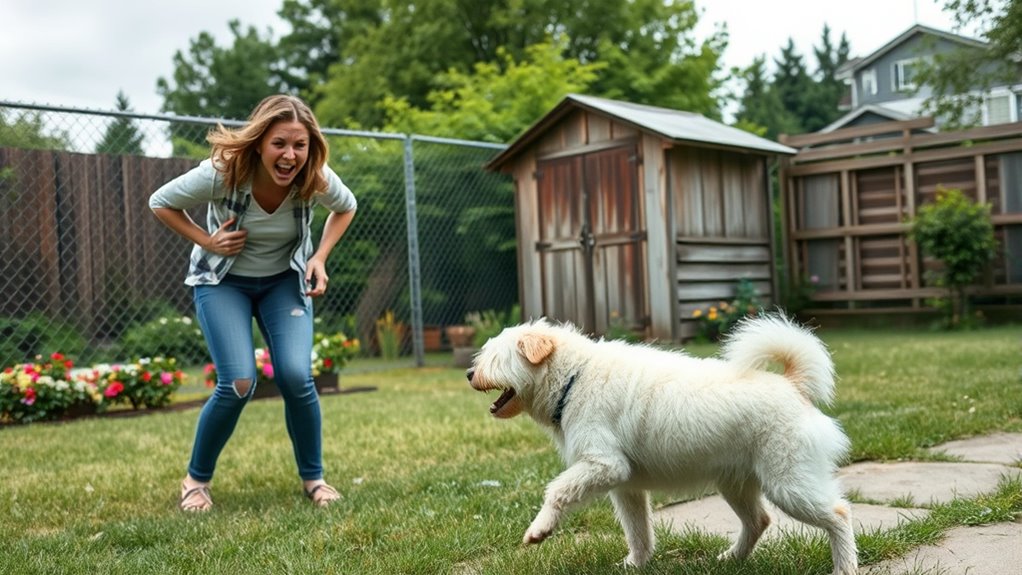
Dog bites remain a significant public health concern in the United States, with claims rising sharply in recent years. In 2024 alone, there were 22,658 dog bite and related injury claims, marking a 19% increase from the previous year and nearly a 50% rise over the past decade. This upward trend reflects a growing awareness of the risks associated with dog ownership, as approximately 4.5 million people, mostly children, are bitten each year nationwide. The data from 2023 shows 19,062 claims, an 8.3% jump from 2022, indicating that the problem continues to escalate. Regions like Michigan report between 850 and 950 claims annually, which highlights the regional consistency of the issue. With nearly half of all U.S. households owning dogs—around 90 million canine companions—the potential for bite incidents remains high.
Dog bites are rising rapidly, affecting nearly half of U.S. households and highlighting ongoing public health concerns.
Financially, the impact of dog bites is substantial. Insurers paid about $1.6 billion in injury claims in 2024, reflecting escalating costs. The average claim cost surged 18% from $58,545 in 2023 to $69,272 in 2024, and over the last decade, these costs have increased by approximately 86%. Medical expenses and larger settlements drive these rising costs, with nearly 27,000 cases of dog bite-related plastic surgeries reported in 2018 alone. Homeowners insurance paid out $1.12 billion in liability claims in 2023, underscoring the significant financial burden on insurers and, by extension, dog owners. The increasing costs highlight the importance of responsible ownership and preventive measures to reduce financial liabilities.
When it comes to legal liability, most homeowners and renters policies cover dog bite damages up to policy limits, typically ranging from $100,000 to $300,000. However, if damages exceed these limits, dog owners are held liable for the remaining costs. State laws influence insurance coverage and liability; some states like Pennsylvania and Michigan prohibit insurers from canceling or denying coverage based on specific breeds, while others, such as Ohio, exclude coverage for bites involving vicious breeds or require owners to carry minimum liability insurance. These laws shape how liability is determined and how claims are handled.
Geography plays a role in bite incidents, with California, Florida, and Texas reporting the highest claim numbers due to their large populations and pet ownership rates. Insurance claim data often mirrors local breed populations and ownership densities, while state-specific laws influence the frequency and financial impact of claims. Regional public health efforts, including National Dog Bite Prevention Week, aim to curb incidents, especially in high-incident states.
The majority of dog bite victims are children, emphasizing the importance of targeted prevention and education. Each year, about 1 in 50 Americans is bitten, and roughly 20% of bites lead to medical treatment. Understanding the legal and financial implications of dog bites helps owners and communities better manage the risk and protect public health.

When the Dog Bites: the Essential Guide to Dog Bite Claims in Washington
As an affiliate, we earn on qualifying purchases.
As an affiliate, we earn on qualifying purchases.
Frequently Asked Questions
What Damages Can I Claim in a Dog Bite Case?
When you ask about damages you can claim, you’re looking for compensation for your injuries. You can pursue economic damages like medical bills, lost wages, and property repairs. Plus, non-economic damages such as pain and suffering, emotional distress, and loss of enjoyment are valid. Be sure to document everything thoroughly with records, photos, and witness statements to strengthen your case and prove your injuries and losses.
How Is Liability Determined in Dog Bite Lawsuits?
Liability in dog bite lawsuits depends on deliberate details and decisive decisions. You’re liable if the owner knew or should have known about the dog’s dangerous tendencies or failed to take reasonable precautions. Factors like the dog’s history, owner awareness, and preventative measures influence responsibility. If provocation or trespassing occurs, liability may lessen. Ultimately, courts examine evidence, laws, and owner actions to determine fault and assign accountability.
Can I Sue if the Dog Wasn’t Provoked?
If the dog wasn’t provoked, you can definitely sue for damages. The law generally holds dog owners liable when there’s no proof of provocation, especially if the bite was unprovoked and the owner was negligent or failed to control their dog. You’ll need to show evidence of the incident, injuries, and that the owner didn’t take proper precautions. Proper legal guidance helps you build a strong case for compensation.
What Evidence Is Needed for a Dog Bite Claim?
To substantiate your scenario, gather gripping, graphic evidence like photographs of injuries, incident reports, and eyewitness accounts. Document details of the dog’s behavior, breed, and prior aggression. Collect medical bills, treatment notes, and prescriptions to demonstrate damages. Keep records of the owner’s contact info, vaccination history, and any previous complaints or incidents. This all-encompassing collection of credible, concrete evidence constructs a compelling case for your claim.
Are There Specific Breed Restrictions for Liability?
You ask if there are specific breed restrictions for liability. While laws vary by location, many places have breed-specific legislation that impacts liability, especially for breeds deemed more aggressive like Pit Bulls or Rottweilers. Owners of these breeds may face higher legal presumptions of negligence or strict liability if their dog bites. However, enforcement and liability depend on local laws, breed identification accuracy, and whether the owner took proper precautions.
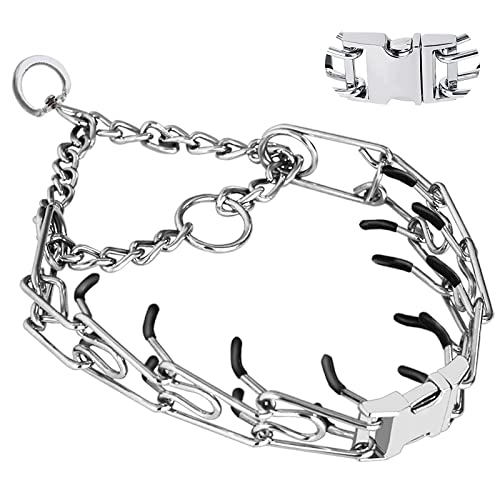
Prong Collar for Dogs, Dog Training Collar, Adjustable Size Dog Pinch No Pull Collar with Quick Release Buckle for Small Medium Large Dogs(Packed with Two Extra Links)
【Effective Safiman Dog Collar】: Walking your dogs can be tough when they're constantly pulling on the leash or…
As an affiliate, we earn on qualifying purchases.
As an affiliate, we earn on qualifying purchases.
Conclusion
So, next time you’re around a dog, remember that about 4.5 million bites happen each year in the U.S. alone. It’s essential to stay vigilant and understand liability laws, especially if you’re a dog owner. Whether it’s a neighbor’s pet or your own, knowing your responsibilities can prevent costly lawsuits like the Chris Pine neighbors’. Stay informed, and keep both your community and pets safe.

MYPET Paws Portable Pet Gate: 26-40" Wide Expandable, Pressure Mounted No Tools Needed, Durable Dog Gate for Doorways, Made in USA, 23" Tall, Fieldstone Gray
[Worry-Free Safety]: Our expandable dog gate is great for doorways and blocking off other indoor spaces to keep…
As an affiliate, we earn on qualifying purchases.
As an affiliate, we earn on qualifying purchases.

ARCA PET Cat & Dog First Aid Kit for Car – Pet Emergency Kit for Home Office Travel – Dog Camping Essentials with Digital Thermometer, Muzzle & Mini First Aid Pouch
ENSURE PET SAFETY ON THE GO with our dog travel accessories, dog must haves in pet travel. Our…
As an affiliate, we earn on qualifying purchases.
As an affiliate, we earn on qualifying purchases.