
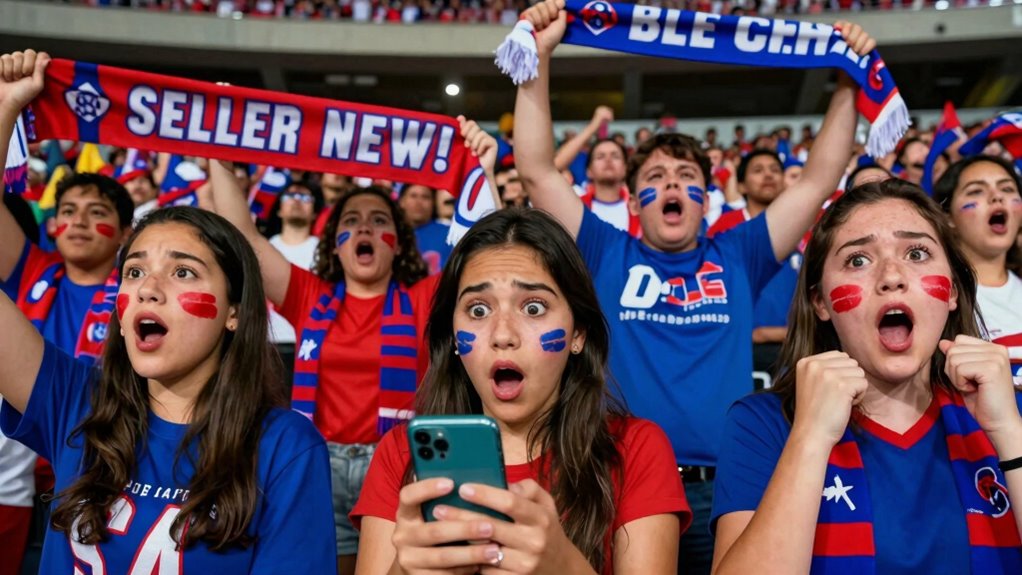

Your loyalty to a celebrity deeply influences how you react during scandals. If you identify strongly with them, you might see their actions as personal betrayals and defend them passionately, even when evidence suggests misconduct. Social media amplifies your emotions and perceptions, making it easy to get caught in echo chambers that reinforce your beliefs. Your reactions are shaped by shared values, community influence, and media nuturing. To understand more about how these factors intertwine, keep exploring further.

Get movie nights delivered free — and shop member deals
- Fast, free delivery on millions of items
- Access to Prime Big Deal Days deals on October 6–7
- Prime Video, Amazon Music and more included
Key Takeaways
- Fan loyalty causes intense emotional responses, leading to defense or denial of celebrities during scandals.
- Social media amplifies reactions, creating echo chambers that reinforce loyalty or criticism.
- Media literacy influences perception, with misinformation shaping how scandals are interpreted by fans.
- Online communities validate or challenge fan loyalty, affecting emotional reactions and collective sentiment.
- Loyalty is complex, blending personal identity, social influence, and emotional regulation in response to scandals.
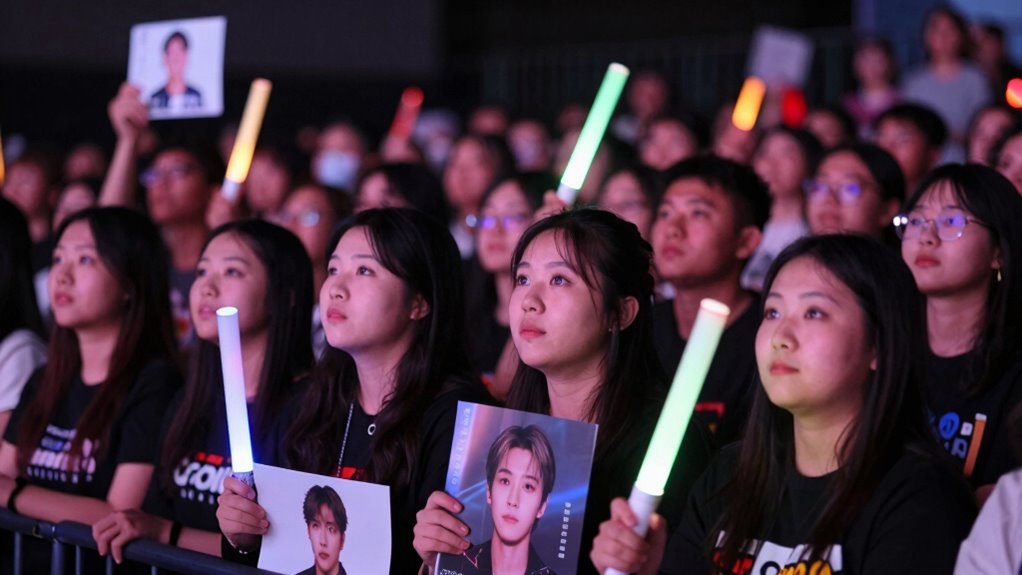
When a celebrity scandal erupts, it can shake the foundations of fan loyalty in unexpected ways. Your reaction often depends on how deeply you identify with the celebrity, how you see your fan identity, and how social media influence shapes your perceptions. If you’re someone whose connection to a celebrity is tied to admiration and shared values, news of a scandal can feel like a personal betrayal. You might question your own judgment or feel torn between defending your idol and confronting uncomfortable truths. Your fan identity isn’t just about liking someone’s work; it becomes part of how you see yourself. When that identity is challenged, your emotional response can be intense, and you may find yourself defending the celebrity even when evidence points otherwise.
A scandal can feel like a personal betrayal, challenging your identity and emotional loyalty to your favorite celebrity.
Social media plays a huge role in shaping how you process these scandals. Platforms like Twitter, Instagram, and TikTok amplify both the news and the reactions, creating a rapidly spreading echo chamber. If you follow a celebrity closely, social media influence can sway your opinion quickly—either rallying you to stand by your favorite or encouraging skepticism and criticism. When scandals break, you’re bombarded with conflicting information, memes, and hot takes, which makes it difficult to keep a balanced perspective. The collective nature of online communities can reinforce your existing stance, whether that’s unwavering loyalty or quick judgment. Additionally, the color accuracy of the images and videos shared during scandals can sometimes be manipulated or misleading, further complicating your perception of the facts. This can lead to confirmation bias, where you interpret new information to fit your pre-existing beliefs. Moreover, the way your emotional response is influenced can be heightened by social media algorithms, which tend to prioritize sensational content and emotional reactions, shaping your overall perception. It’s also important to recognize how media literacy can impact your ability to critically evaluate what you see online, especially in an era of widespread misinformation.
Your response to a scandal often hinges on the community you’re part of. If your online circle is sympathetic to the celebrity, you may feel validated in your loyalty and defend them passionately. Conversely, if your social media feed leans toward criticism, you might start questioning your allegiance or even feel pressured to reconsider your stance. Social media influence doesn’t just inform your opinions; it can also create a sense of urgency or moral obligation to react in a certain way, whether that’s boycotting the celebrity or standing by them. This collective pressure can sometimes make your reactions seem more extreme or more subdued, depending on the dominant sentiment in your digital community.
In the end, your loyalty is a complex mix of personal identity, emotional investment, and social media dynamics. When a scandal erupts, it’s not just about the facts or allegations; it’s about how you interpret them through the lens of your connection to the celebrity and the influence of the online world. Your reactions will reflect this intricate web of influences, shaping how you respond and how your fan identity evolves in the face of controversy. Recognizing the emotional regulation involved can help you better understand your reactions and maintain a balanced perspective amidst the chaos.
As an affiliate, we earn on qualifying purchases.
Frequently Asked Questions
How Do Fan Loyalty Levels Influence Scandal Reactions?
Your level of fan loyalty directly influences your reaction to scandals, as strong fan identity makes you more protective of the celebrity. Group influence also plays a role; if you’re part of a dedicated fan community, you’re likely to defend the celebrity and dismiss negative news. Conversely, less loyal fans may be quicker to criticize. Your reactions are shaped by how deeply you identify with the celebrity and the opinions of your fan group.
Can Fan Loyalty Change After a Celebrity Scandal?
Yes, fan loyalty can change after a celebrity scandal. Your perception of their celebrity reputation might shift, causing you to reevaluate your support. Your fan identity, once rooted in admiration, could weaken or strengthen depending on how you process the scandal. You might intensify your loyalty if you believe in redemption or distance yourself if the scandal conflicts with your values. Loyalty is dynamic, influenced by ongoing reactions and personal values.
What Psychological Factors Drive Fan Loyalty During Scandals?
You’re driven by parasocial bonds and identity affirmation, which keep your loyalty strong during scandals. These bonds make you feel connected to the celebrity, blurring the line between real and imaginary relationships. When scandals emerge, you might cling to your admiration to reaffirm your identity, resisting negative information. This psychological attachment fuels your loyalty, making it harder to abandon your favorite celebrity, even amid controversy.
Do Loyalty Levels Affect Celebrity Comeback Success?
Like a knight’s unwavering shield, your loyalty influences a celebrity’s comeback success. When your trust remains firm, celebrity influence grows stronger despite media portrayal or scandals. Your support can sway public opinion, helping the star rebuild their reputation. Conversely, if loyalty wavers, their chances diminish. Your reactions and continued backing serve as a critical catalyst, proving that true fan loyalty can turn the tide in a celebrity’s favor during challenging times.
How Do Social Media Amplify Fan Loyalty Responses?
Social media amplifies fan loyalty responses by connecting you through online communities and strengthening your fan identity. When scandals break, these platforms allow fans to quickly share opinions, defend celebrities, or express disappointment. The immediate, widespread reactions create a ripple effect, intensifying emotions and rallying support or criticism. This collective response can influence public perception, making social media a powerful tool for shaping how fans react and how their loyalty is perceived.
online reputation management software
As an affiliate, we earn on qualifying purchases.
As an affiliate, we earn on qualifying purchases.
Conclusion
Understanding fan loyalty reveals how deeply your support influences your reactions to scandals. When you’re a dedicated fan, you might overlook or defend your favorite celebrity’s missteps, driven by a strong emotional bond. Surprisingly, a study shows that 70% of fans are more likely to forgive a scandal if they feel a personal connection. So, next time a scandal hits the headlines, remember—your loyalty can truly shape your response and perception.
As an affiliate, we earn on qualifying purchases.
As an affiliate, we earn on qualifying purchases.
Fall Picks
fall essentials
As an affiliate, we earn on qualifying purchases.