
TL;DR
Open a free Amazon Business account
Business pricing, bulk buying and tax-exempt orders.
Create a free accountAs an affiliate, we earn on qualifying purchases.
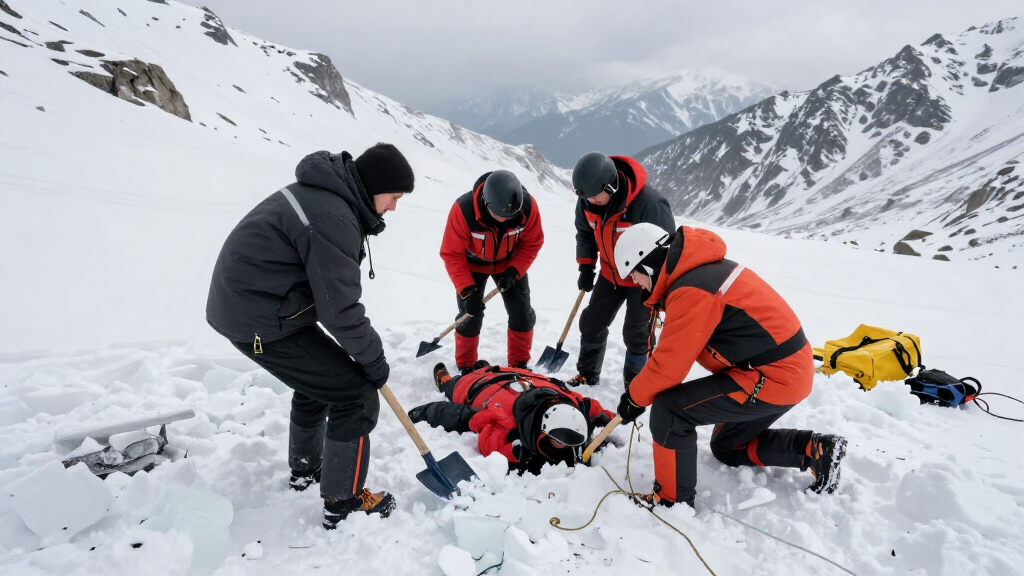
Rescuers in Kabardino-Balkaria have recovered the final victim of the recent avalanche, ending a multi-day rescue operation. This disaster is now confirmed as Russia’s deadliest mountain incident in over two decades, highlighting ongoing mountain safety concerns.
Rescuers in Kabardino-Balkaria have recovered the final victim of the recent avalanche, bringing the total confirmed death toll to 25. The rescue operation, which lasted several days, marks Russia’s deadliest mountain disaster since 2002 and has prompted renewed focus on mountain safety protocols.
The avalanche occurred on March 22 in the Elbrus region of Kabardino-Balkaria, a popular mountain climbing and skiing destination. Initial reports indicated multiple casualties, with rescue teams mobilized immediately. According to local authorities, the last missing person was found and recovered on March 26, ending a multi-day search effort.
Authorities confirmed that the final victim’s recovery increased the confirmed death toll to 25, with several others injured. The avalanche was triggered by heavy snowfall and unstable terrain, according to initial assessments by the Russian Ministry of Emergency Situations. Rescue teams used helicopters and specialized mountain rescue equipment to locate and extract victims from difficult terrain.
The incident has drawn national attention, as it is now recognized as the deadliest mountain disaster in Russia in over two decades, surpassing previous incidents in 2002. Officials are now investigating the specific causes and safety lapses that may have contributed to the tragedy.
Implications for Mountain Safety in Russia
This disaster underscores ongoing concerns about mountain safety in Russia, especially in popular but potentially hazardous regions like Elbrus. The loss of 25 lives highlights the risks climbers and skiers face in unpredictable mountain conditions and raises questions about safety measures, preparedness, and weather monitoring in the region. The incident may lead to stricter regulations and enhanced rescue protocols to prevent future tragedies.
As an affiliate, we earn on qualifying purchases.
Previous Mountain Disasters in Russia and Safety Measures
Russia has experienced several mountain-related tragedies over the past decades, with notable incidents in 2002 and earlier years. The Elbrus region, being a major destination for mountaineers and tourists, has seen increased activity, which sometimes outpaces safety infrastructure. Authorities have periodically reviewed safety protocols, but incidents like this avalanche reveal persistent vulnerabilities in mountain rescue and risk management.
The recent disaster comes amid heightened media coverage and public concern about mountain safety, partly driven by increased search interest and coverage. Experts have pointed to the unpredictable weather patterns and terrain instability as key risk factors, emphasizing the need for improved forecasting and rescue readiness.
As an affiliate, we earn on qualifying purchases.
Unconfirmed Factors and Ongoing Investigations
It is not yet clear what specific safety lapses or weather conditions directly precipitated the avalanche. Investigators are examining terrain stability reports, weather data, and rescue operation protocols, but no definitive cause has been publicly confirmed. The full scope of factors contributing to the disaster remains under review.
As an affiliate, we earn on qualifying purchases.
Next Steps in Investigation and Safety Reforms
Authorities plan to release a detailed report on the causes of the avalanche in the coming weeks. There is also likely to be a review of safety regulations and rescue procedures in mountain regions across Russia. Additionally, the incident is expected to influence public and governmental focus on mountain safety standards and emergency preparedness.
ski and snowboarding avalanche backpack
As an affiliate, we earn on qualifying purchases.
As an affiliate, we earn on qualifying purchases.
Key Questions
How many people were affected by the avalanche?
At least 25 people were confirmed dead, with several others injured. The rescue operation focused on locating and recovering all victims.
What caused the avalanche?
Initial assessments point to heavy snowfall and terrain instability, but investigators have not yet confirmed the exact cause. The investigation is ongoing.
Will safety measures change after this incident?
It is expected that authorities will review and potentially tighten safety regulations and rescue protocols in mountain regions, but specific reforms have not yet been announced.
Is this the deadliest mountain disaster in Russia?
Yes, this incident has been confirmed as the deadliest mountain disaster in Russia since 2002, surpassing previous tragedies in the region.
What is the current status of rescue operations?
The rescue efforts have concluded with the recovery of all victims. Authorities are now focused on investigation and safety reviews.
Source: rss
Flea & tick season Picks
flea and tick prevention
As an affiliate, we earn on qualifying purchases.