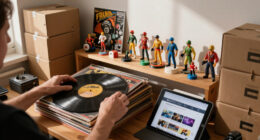
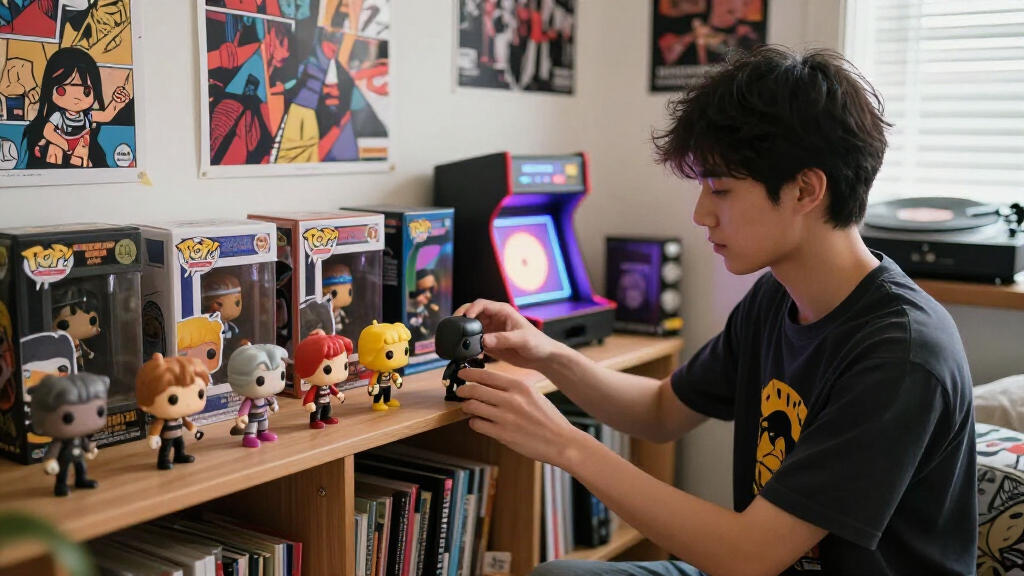

This guide shows you how to start an entertainment and pop culture collectibles collection the right way — whether you are chasing action figures, Funko Pops, movie props, trading cards, vinyl records, autographs, or video game memorabilia. You will learn how to define what you collect, set a sustainable budget, buy from reputable sources, spot fakes, and store and display your items so they hold their condition and value. This guide is written for complete beginners. No prior collecting experience is required. Expect to spend two to four hours on the initial setup, then whatever time your collecting pace demands afterward.

Get movie nights delivered free — and shop member deals
- Fast, free delivery on millions of items
- Access to Prime Big Deal Days deals on October 6–7
- Prime Video, Amazon Music and more included
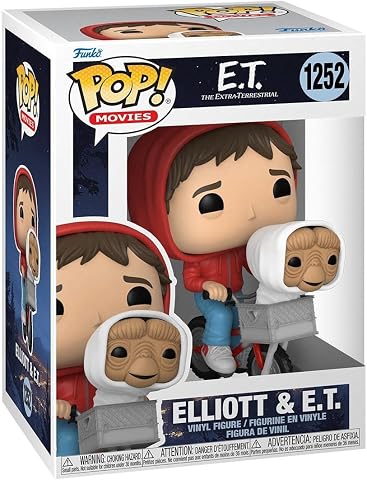
Funko POP! Movies: E.T. – Elliott with E.T. in Bike Basket
- ✔ Height: Approximately 3.75 inches (9.5 cm)
- ✔ Material: Vinyl
- ✔ Character: Elliott with E.T. in bike basket

Marvel Classic Black Light Collectible Poster Portfolio, Volume 2
- ✔ Poster count: 12
- ✔ Format: Ready-to-frame posters
- ✔ Style: Classic black light artwork

Official Price Guide to Pop Culture Memorabilia: 150 Years of Character Toys & Collectibles
- ✔ Coverage: 150 years of character toys and collectibles
- ✔ Format: Print reference guide
- ✔ Focus: Character toys and pop culture memorabilia
Difficulty: Beginner | Time: 2-4 hours to set up; ongoing as you acquire items
What You’ll Need
Tools & Materials:
- A dedicated budget (even $20-50 per month works to start)
- A smartphone for researching prices, checking listings, and photographing items
- Acid-free plastic sleeves, toploaders, or display cases appropriate to your item type
- A clean, dry storage or display area away from direct sunlight
- A notebook, spreadsheet, or free collection-tracking app for inventory
Knowledge:
- Basic familiarity with online marketplaces (eBay, Mercari, Etsy, or specialty retailers)
- Ability to compare prices across at least two or three listings
- Awareness that condition and packaging strongly affect collectible value
Before buying anything, decide roughly how much money you can spend on collecting each month without affecting bills or savings. Collecting should never run on credit card debt. Price swings in pop culture collectibles are common, so treat every purchase as a hobby expense first and an investment second — or last.
Funko POP! Movies: E.T. – Elliott with E.T. in Bike Basket
This Funko POP! rendering of cinema’s most famous bicycle ride is our top pick because it nails the fundamentals of a display collectible. The figure captures Elliott pedaling with E.T. tucked into the bike basket — the single most iconic image from the film — in a sculpt that reads clearly even at a glance across a room. At roughly 3.75 inches tall, it fits comfortably on a desk, a bookshelf, or inside a standard Funko display case, which is a real advantage over the Marvel portfolio in this lineup: no wall space, frames, or mounting hardware required.The durable vinyl construction also gives it an edge over both alternatives for everyday handling. Posters can crease and a price guide shows shelf wear, but this figure tolerates occasional dusting, repositioning, and even a short drop without damage. The tradeoff is scale and substance — it is a small, static piece with essentially no play value, so children who want a toy rather than a display item will lose interest quickly. Compared with the poster portfolio, it offers a fraction of the visual impact; compared with the price guide, it offers a fraction of the information. But for the largest group of buyers — fans who want an affordable, recognizable piece of E.T. memorabilia on display — this pick makes the most sense.
Pros:
- Depicts the most iconic scene from E.T. in one compact sculpt
- Durable vinyl construction holds up to handling and display
- Small footprint fits desks, shelves, and Funko display cases
- Accessible entry point for new and veteran Funko collectors alike
Cons:
- Limited play value — it is a display piece, not a toy
- Small scale means minimal visual impact compared with poster art
Best for: E.T. fans, Funko POP! collectors, and anyone wanting an affordable, space-efficient display piece
Not ideal for: Children looking for a playable toy or collectors who want large-format wall art
Bottom line: The most balanced pick in this lineup: iconic, durable, and display-ready for nearly any collector.
“The most balanced pick in this lineup: iconic, durable, and display-ready for nearly any collector.”
Marvel Classic Black Light Collectible Poster Portfolio, Volume 2
If the Funko figure is about shelf presence, this portfolio is about room-filling visual impact. Twelve collectible Marvel posters in striking black light styling arrive ready to frame, which means one purchase can decorate an entire media room, dorm, or home office. That scale is its clearest advantage over the E.T. figure — you simply cannot get this much franchise artwork onto a wall with vinyl figures at anywhere near the same effort.The black light aesthetic is the differentiator within Marvel merch: compared with standard reproduction prints, the psychedelic color treatment gives these pieces a distinctive retro look that suits both vintage Marvel fans and modern décor styles. The ready-to-frame format spares you the hassle and risk of trimming or mounting loose prints. The honest tradeoffs: you will need to supply frames yourself, which adds cost and effort the Funko figure never demands, and posters are inherently vulnerable to creasing, fading, and humidity once displayed. It is also artwork rather than an object — collectors who value three-dimensional pieces or in-box display will get nothing here. As the second volume in the series, it also assumes some appetite for more of the same style rather than a comprehensive Marvel collection.
Pros:
- Twelve collectible posters provide coverage for large wall spaces
- Ready-to-frame format simplifies display
- Distinctive black light retro styling sets it apart from standard prints
- Official Marvel artwork appeals to longtime comic fans
Cons:
- Frames are not included, adding cost and effort
- Paper posters are vulnerable to creasing and fading over time
Best for: Marvel fans decorating a media room, dorm, or office who want bold, frameable artwork
Not ideal for: Collectors who prefer 3D display pieces or who lack wall space and framing budget
Bottom line: The best choice when visual scale matters more than shelf presence — big Marvel art, at the cost of framing effort.
“The best choice when visual scale matters more than shelf presence — big Marvel art, at the cost of framing effort.”
Official Price Guide to Pop Culture Memorabilia: 150 Years of Character Toys & Collectibles
The odd one out in this roundup — and deliberately so. This is not something you display; it is something you consult. Covering 150 years of character toys and collectibles, it serves the buyer who has moved past acquiring single pieces and wants to understand the broader memorabilia market: what era a piece is from, how character-toy categories compare, and where value tends to concentrate. No figure or poster in this lineup can do that.Its strength is breadth of historical coverage — where the Funko E.T. figure speaks to one franchise and the Marvel portfolio to one publisher, this guide spans the entire character-collectibles landscape, making it a natural companion volume for collectors who own pieces like the other two picks and want context for them. The tradeoffs are significant, though. As a print reference, its pricing information inevitably ages against a fast-moving market, so treat the values as orientation rather than gospel. It has zero decorative appeal, requires actual reading time, and it is better suited to the used and vintage market than to current retail collectibles like Funko figures. Skip it entirely if you want something to look at rather than learn from.
Pros:
- Covers 150 years of character toys and memorabilia in one volume
- Focused specifically on character-driven pop culture collectibles
- Useful orientation for buying, selling, and cataloging collections
- Provides historical context the other two picks cannot
Cons:
- Print pricing data ages as the market shifts
- No display or decorative value
- Dense reference format demands real reading time
Best for: Serious character-toy collectors, resellers, and hobbyists researching memorabilia values
Not ideal for: Casual fans who want a display piece rather than a reference book
Bottom line: A knowledge investment rather than a display piece — worth it only for collectors who research what they own.
“A knowledge investment rather than a display piece — worth it only for collectors who research what they own.”
As an Amazon Associate we earn from qualifying purchases.
Before You Start
Two warnings before you spend a dollar. First, the collectibles market — especially graded cards, autographs, and limited-edition figures — has a persistent counterfeiting problem. Fake Funko Pops, forged signatures, and resealed vintage figure boxes are all common. The steps below include checks that catch most fakes. Second, never buy ‘investment-grade’ items in a rush. Prices spike around movie releases, conventions, and viral moments, then often fall. Patience is the cheapest tool in collecting.
Step-by-Step Instructions
Step 1: Define the scope of your collection
Write down a one-sentence collecting focus, such as ‘Star Wars Black Series figures from 2010-2015’ or ‘sealed vinyl soundtracks from horror films.’ A narrow focus keeps your budget concentrated and makes you smarter about a small market instead of scattered across a huge one. Include boundaries: what you will buy, what condition you require, and what you will refuse. For example: ‘loose figures are fine if complete with accessories; no items missing packaging unless under $20.’
Tip:Beginners who collect ‘everything pop culture’ burn out fast and overspend. You can always widen your scope later; narrowing after buying is expensive.
Check: You have a written statement of what you collect, your condition standards, and your price ceiling, and it fits in one or two sentences.
Step 2: Research current market prices
Open eBay and search for items in your chosen focus. Filter results to Sold Listings — this shows what buyers actually paid, not what sellers are asking. Record the typical sold price range for three to five items you want. Cross-check with a price guide or collector database for your category, such as PopPriceGuide for Funko, TCGPlayer for cards, or Discogs for vinyl. Write these numbers in your tracking spreadsheet so you recognize a fair price instantly.
Tip:Asking prices are routinely 50-100% above real sale prices. Never use active listings as your benchmark.
Check: You can state the realistic sold-price range for your top three wanted items from memory or your notes.
Step 3: Set a monthly budget and buying rules
Decide on a fixed monthly amount for collecting and write it down alongside two rules: a per-item maximum, and a rule that any purchase above a set threshold (say, $75) requires a 24-hour waiting period. Decide whether shipping, taxes, and display supplies come out of the same budget — they should, because protective supplies are part of the hobby’s real cost.
Check: Your budget number and buying rules are written in the same place as your collection scope, and you can follow them without checking your bank balance first.
Step 4: Make your first purchases from reputable sources
Start with low-risk sources: established retailers, the official manufacturer’s store, or well-reviewed sellers with high feedback counts and detailed photos. On marketplaces, check the seller’s feedback score, read recent negative reviews, and confirm the listing states the item’s condition explicitly — ‘mint in box,’ ‘loose, complete,’ ‘sealed,’ and so on. Buy one or two inexpensive items first to learn the process before committing to anything expensive.
Tip:Convention dealer tables and local comic shops let you inspect items in person — an excellent way to learn condition standards early, even if prices run slightly higher.
Check: Your first items arrive matching the listing description and condition, and you bought them within your budget rules.
Step 5: Authenticate what you buy
Inspect every item on arrival. Compare it against official product photos for paint details, packaging print quality, fonts, and barcode placement. Check Funko Pops for the proper numbering on the box; check autographs for certificates of authenticity from recognized authenticators (PSA/DNA, JSA, Beckett) rather than anonymous ‘COA’ cards; check sealed vintage items for factory-correct seals and tape patterns. If something looks off, photograph it and compare against community forums for your category before leaving feedback.
Tip:For autographs and high-value items, ‘third-party authenticated’ is the phrase that matters. A seller’s own certificate is worth very little.
Check: Each item passes your inspection against reference photos, and any autographs carry authentication from a recognized service.
Step 6: Protect and store items correctly
Move each item into appropriate protection immediately: soft sleeves plus toploaders or one-touch cases for cards and photos, acid-free boxes or comic bags with boards for print materials, and hard plastic protectors for boxed figures. Store everything in a cool, dry space between roughly 60-75°F, away from direct sunlight, which fades packaging and yellowed plastic. Keep items off floors and away from heating vents and windows. For boxed figures, handle the box by its edges to avoid shelf wear.
Tip:Humidity is the silent killer of paper collectibles. Avoid basements and attics; if you must use them, add silica gel packets and check items monthly.
Check: Every item in your collection is in protective storage or a display case, and none sits in sunlight or an unregulated space.
Step 7: Build your display
Choose a display location out of direct sun — an interior wall or a cabinet with UV-filtering glass or acrylic doors. Use enclosed display cases for boxed figures and props to block dust, and stand-back rows or risers so every item is visible. Keep signed items behind UV-protective frames. Leave 15-20% of empty shelf space so the display can grow without constant rearranging.
Check: Your items are visible, dust-protected, and none show sun-fade risk; you can add new items without rebuilding the display.
Step 8: Track your collection and its value
Log every item in your spreadsheet or app: name, purchase date, price paid, source, condition, and a photo of the item plus its receipt. Update estimated values quarterly using sold-listing research. This record supports insurance claims, simplifies selling or trading later, and tells you whether your focus is holding value.
Tip:Photograph receipts and add them to a cloud folder. Paper receipts fade within a year or two.
Check: Your inventory lists every item you own with price paid and a photo, and updating it takes minutes per new purchase.
Step 9: Insure anything valuable
Review your homeowner’s or renter’s policy to see whether collectibles are covered and at what limit — many policies cap collectibles well below their real replacement cost or exclude them. If your collection is worth more than a few hundred dollars, photograph everything, keep your inventory current, and ask your insurer about a personal articles floater or collectibles rider. Document current values when you add the coverage.
Check: You know exactly what your policy covers, and items above your policy’s limits are covered by a rider or scheduled coverage.
Common Mistakes to Avoid
- Buying at the peak of a hype cycle — Never pay a price inflated by a new release or viral moment. Check sold listings from before the spike; if the current price is dramatically higher, wait 60-90 days and re-check.
- Removing items from original packaging, or damaging boxes while opening or storing — Decide your rule before buying: keep sealed items sealed, and handle boxed items by the edges. If a figure is meant to be displayed loose, buy one already opened at a discount rather than devaluing a boxed example.
- Trusting seller-issued certificates of authenticity — Only accept autograph authentication from PSA/DNA, JSA, or Beckett. If an autograph lacks third-party authentication, price it as if it were unsigned or pass entirely.
- Skipping inventory and photos until ‘later’ — Log each item the day it arrives. Retroactively photographing and pricing a large collection is a multi-day chore that most collectors never finish.
Troubleshooting
Problem: An item arrives not as described or damaged
Solution: Photograph the item and shipping packaging immediately, then open a return or ‘item not as described’ case through the marketplace within its deadline — usually 30 days on eBay. Never remove an item from its packaging if you intend to dispute the condition.
Problem: You suspect a figure or autograph is fake
Solution: Stop handling it, photograph everything including packaging seams and print details, and post to an established collector forum or subreddit for your category for a second opinion. For valuable autographs, submission to PSA or Beckett for authentication settles the question definitively for a fee.
Problem: Prices for your focus dropped after you bought in
Solution: Do nothing drastic. Collectible prices cycle. If you collected for enjoyment, condition and completion still matter. If you bought speculatively, revise your rules so future purchases are based on sold-price history rather than momentum.
Problem: Yellowing, fading, or dusty items despite care
Solution: Check for indirect UV exposure (skylights, reflected window light) and switch to UV-filtering cases or move the display. Replace silica gel packets on a schedule, and dust enclosed cases only with a soft brush to avoid scratching acrylic.
What Success Looks Like
Your collection is successful when all of the following are true: you have a written collecting focus and budget you actually follow; every item you own is authenticated to your satisfaction, stored or displayed out of sunlight, and logged in an inventory with photos and prices paid; your insurance covers the collection’s real value; and you can add a new item within your routine — buy, verify, protect, log — in under twenty minutes. Value growth is a bonus, not the measure of success; a collection you enjoy and can account for is.
Next Steps
Once your foundation is set, expand deliberately: join a collector community for your category to learn grading standards and trade opportunities; attend a local convention or toy show to handle items in person; and consider third-party grading (PSA, CGC, VGA) only for your genuinely high-value pieces, since grading fees and shipping can exceed the value added for common items. Re-run your insurance review and inventory valuation once a year. If your collection grows past a few thousand dollars in value, a formal appraisal every two to three years keeps coverage accurate.
Frequently Asked Questions
Should I keep collectibles sealed or open them?
Sealed and mint-in-box items almost always command higher resale value, so if future selling matters, keep them sealed. If the joy of the hobby is displaying the item itself, buy an opened example at a discount and display it loose. Decide per item before purchase — converting a sealed item to open is a one-way devaluation.
Is grading worth it for my items?
Only for items in excellent condition whose graded value exceeds grading fees, shipping, and time — typically items worth $100 or more. Check recent graded sale prices for your exact item before submitting; for common Funko Pops or played-condition cards, grading usually costs more than it adds.
Where are the best places to buy pop culture collectibles?
Start with official retailers and the manufacturer’s store for new releases, established marketplace sellers with strong feedback for older items, and local comic shops or conventions where you can inspect items in person. Avoid social media deals with no buyer protection, and treat prices far below market value as a red flag for counterfeits rather than a bargain.
How do I know if my collection is valuable?
Look up each item’s recent sold prices on eBay, not asking prices, and check a category-specific price guide. Valuation shifts with condition, packaging, and demand, so re-check quarterly. An item is only ‘worth’ what a real buyer recently paid, not what a listing claims.
How should I clean or maintain collectibles?
Handle items with clean, dry hands, dust enclosed displays with a soft brush, and never use household cleaners on figures, cards, or signed items — solvents damage paint, signatures, and print. For paper collectibles, keep them in acid-free sleeves and leave deeper cleaning or restoration to professionals.
Fall Picks
fall essentials
As an affiliate, we earn on qualifying purchases.