TL;DR

Get movie nights delivered free with Prime
- Fast, free delivery on millions of items
- Prime Video, Amazon Music and more included
- Member-only deals all year
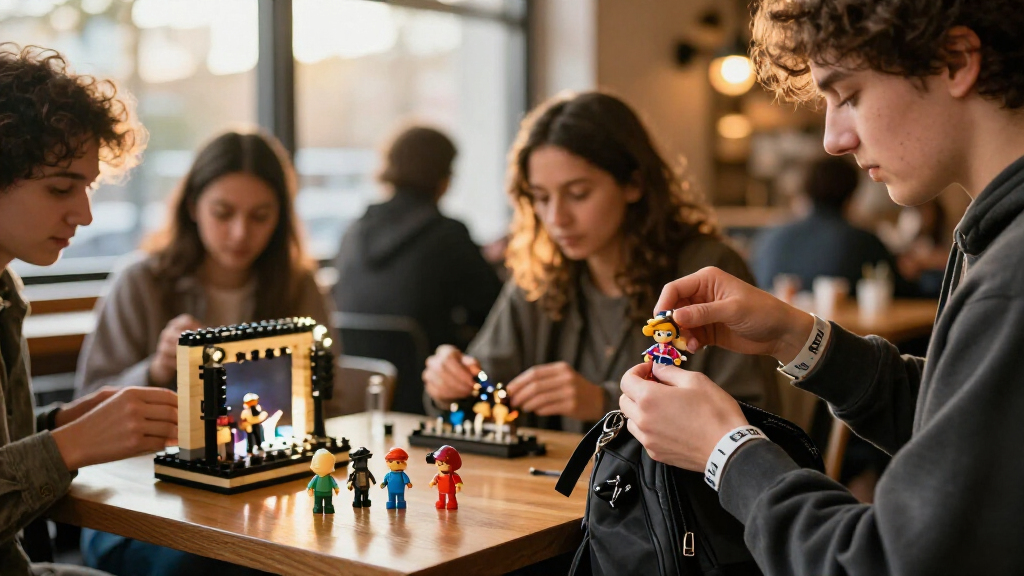
A headline describes a roundup of 30 November pop culture trends, naming retro keychain figures and concert-themed LEGO as examples. No article body was available, so the full list, its methodology and the trend claims cannot be verified.
A headline-only report promotes a list of 30 November pop culture trends, highlighting retro keychain figures and concert-themed LEGO as examples. The available information does not include the article body, so the other trends, the basis for selecting them and whether the examples reflect measured consumer interest remain unverified.
The headline in the available Google News RSS listing frames the item as a roundup of 30 trends spanning pop culture and consumer products. It names retro keychain figures and concert-themed LEGO as examples. The headline does not identify specific figures, sets, artists or products, however, and provides no dates, sales figures or other supporting details.
Because the article text could not be retrieved from the available listing, it is not possible to establish whether the 30 entries are based on sales data, search activity, social-media attention, editorial judgment or another measure. The headline also does not say whether the trends are new in November, gaining attention that month, or simply included in a monthly roundup.
The available source provides no named writer, company representative, analyst or other quoted person. There are no attributable statements to quote, and the two examples should be treated as topics named in the headline rather than independently verified evidence of a broader market shift.
Pop culture briefing · November roundup
30 Trends Named.
Two Examples Shown.
A headline points to retro keychain figures and concert-themed LEGO. The available listing leaves the full trend list, its timing and its evidence unconfirmed.
01 / Headline examples
Two categories, one list
The headline pairs nostalgia-led collectibles with music-related building sets. It does not identify a particular product, release or collaboration.
Retro keychain figures
No figure line, maker, character or release details are included in the available listing.
Concert-themed LEGO
No artist, concert, set name or licensed collaboration is identified in the headline.
A trend label is not a popularity measure.
The listing offers no sales, search, social engagement or audience figures. Without the article’s selection criteria, “trends” could mean editorial picks, products getting attention, or items tied to November. The headline alone cannot establish which.
02 / Evidence check
What is known—and what is missing
The available Google News RSS listing confirms only the framing and two examples. The remaining detail is unavailable.
Monthly roundup framing
It promotes 30 November pop culture trends and names two examples.
List and method
The other 28 entries and the basis for selecting any item are absent.
Timing and reach
No publication date, year, comparison period or popularity data appears.
03 / Information coverage
A narrow view of the roundup
Bars indicate how much detail the listing provides, not consumer interest. An empty bar means the information is unavailable.
04 / Trace the claim
From headline to a stronger conclusion
Each step needs more than the RSS listing provides before readers can assess what the roundup means.
Headline
Thirty trends announced; two examples named.
Full article
Needed to see all entries and the explanation behind them.
Dates & sources
Needed to identify the November and specific products.
Evidence
Needed to judge popularity or growth beyond editorial selection.
05 / Reader questions
What can be answered now?
Which trends are named?
Retro keychain figures and concert-themed LEGO. The rest of the 30-item list is unavailable.
Are they confirmed popular?
No. The listing provides no sales, search or audience figures to verify that claim.
Which products are meant?
The headline names no specific figures, sets, artists, concerts or makers.
When was it published?
The available listing gives no publication date or year, so the November is unclear.
What the Two Examples Suggest
The headline brings together nostalgia-led collectibles and music-related building sets, suggesting a roundup that crosses product categories rather than focusing on a single entertainment release. For readers tracking gift ideas or pop-culture merchandise, those examples flag the kinds of items the roundup may cover.
But a list of trends is not, by itself, proof that products are selling well or that interest is growing. Without the full article or data behind its choices, readers cannot compare these examples with other products or judge how widely they have caught on. The distinction matters: an editorial selection can identify subjects to watch, but it cannot establish popularity without supporting evidence.
Popular right now

LG 85-Inch QNED84B Mini LED 4K Smart TV (2026)

Philips 2200 Series Fully Automatic Espresso Machine with Classic Milk Frother

Vitamix 5200 Professional-Grade Blender, 64 oz. Container, Black
As an affiliate, we earn on qualifying purchases.
A Monthly Trend List, Without Its Method
The Google News RSS listing presents the item as a November pop culture roundup, with a numbered total and two examples in the headline. That format indicates a curated list, but the available listing does not explain how November was defined or provide a publication date and year. It also gives no prior-month comparison or timeline for either example.
Keychain figures and LEGO sets are product categories, while “retro” and “concert-themed” are descriptions used in the headline. The listing does not name a particular figure line, concert, artist, set or licensed collaboration. Without those specifics, the examples cannot be tied reliably to a release schedule, a particular fandom or a confirmed commercial announcement.
Details Missing From the Roundup
The full list of 30 items is unavailable in the Google News RSS listing, as are the article’s evidence, selection criteria and publication date. It is unclear whether the headline describes products launched in November, items receiving attention during the month, or predictions about what may become popular.
It is also not possible to confirm the availability, makers or sales performance of the referenced keychain figures and concert-themed LEGO. The available listing supplies no figures for searches, sales, social engagement or audience interest. The headline alone does not establish that these products are among the most popular trends or that their reach extends beyond the roundup’s selection.
The Full List Is Still Needed
To evaluate the roundup, readers would need the complete article, which is not included in the available Google News RSS listing, along with all 30 entries and any explanation of how they were chosen. A publication date and year would clarify which November the headline refers to; links to specific products, releases or underlying data would help distinguish confirmed launches from general trend observations.
Until those details are available, the confirmed development is limited to the headline in the RSS listing announcing a 30-item roundup and naming two examples. No further release, sales update or follow-up reporting is specified in the available source.
Key Questions
What November pop culture trends are named?
The headline in the available Google News RSS listing names retro keychain figures and concert-themed LEGO. It does not provide the rest of the 30-item list.
Are the 30 trends confirmed to be popular?
No supporting popularity data appears in the available listing. The headline presents them as trends, but gives no sales, search or audience figures to verify that characterization.
Which keychain figures or LEGO sets does the headline mean?
The available headline does not identify specific figures, sets, artists, concerts or product makers.
When was the roundup published?
The available Google News RSS listing does not give a publication date or year, so the November being discussed cannot be determined.
Source: news.google.com