
TL;DR

Get movie nights delivered free with Prime
- Fast, free delivery on millions of items
- Prime Video, Amazon Music and more included
- Member-only deals all year
Pop culture collectibles are objects tied to entertainment, fandom, or cultural history, from mass-produced toys and trading cards to original production items. Their appeal can come from personal meaning, scarcity, condition, and demand, but no limited release or past sale guarantees future value. Choose a subject you love, verify high-stakes purchases, compare completed sales, and set a budget before you buy.
Choose a subject you genuinely enjoy before chasing scarcity or resale value.
Check condition, authenticity, provenance, completed sales, and buyer protections before a major purchase.
A limited-edition label does not prove an item is rare or valuable.
Grading can help compare condition, but fees and grades do not guarantee future prices.
Store items according to their materials, away from direct sunlight, moisture, and temperature swings.
What Counts as a Pop Culture Collectible?
Pop culture collectibles are objects connected to entertainment, fandom, or cultural history that people keep for their meaning, design, scarcity, or connection to a memorable moment. They range from mass-produced toys and trading cards to original production items, signed memorabilia, posters, and limited-edition art. An item doesn’t need to be old or expensive to count.
Think of a collector who keeps a well-loved game cartridge because it was the first game they played with a sibling. A different collector might seek a sealed copy for its condition and packaging. Both are collecting; they simply value different things. The object can be a tiny bridge to a story, like a ticket stub that brings the bass and colored lights of a concert back in a flash.
Common categories include action figures and dolls, comics, trading cards, film props, costumes, scripts, tour merchandise, records, concert posters, and original artwork. Digital items also fit the broad idea, though owning a token does not automatically give you copyright or ownership of the artwork or franchise behind it.
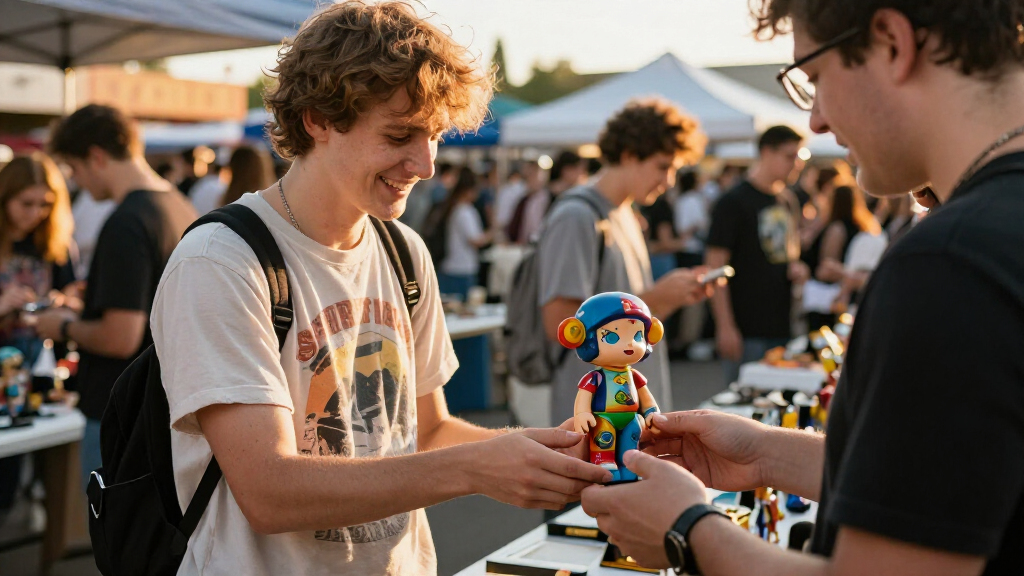
That variety makes the hobby easy to enter. You might begin with a favorite anime’s trading cards, then notice the original promotional posters at a convention. Let your interest guide you before price tags do.
Popular right now

Samsung 48 4K OLED Smart TV (2026) with WireLogic 8ft Ultra High Speed HDMI Cable

Ninja Foodi Air Fryer 10 Qt DualZone XL 6-in-1 Grey (DZ401)

Hisense E6SR Series 55-Inch 4K UHD Hi-QLED Roku Smart TV
As an affiliate, we earn on qualifying purchases.
Why Some Collectibles Matter More Than Others
A collectible’s appeal usually comes from several factors working together: cultural meaning, demand, condition, scarcity, authenticity, and provenance. None of these alone guarantees a high price. A rare item can sit unnoticed if few people want it, while a widely produced figure can attract attention when a franchise returns to the screen.
For example, an action figure released during a popular film’s original run might become newly sought after when a sequel brings fans back. Yet an online seller’s “limited edition” label is not proof that only a handful exist. Production numbers, later reissues, and the size of the current fan base all shape how scarce an item feels in practice.
Provenance means the documented history of an object: where it came from, who owned it, or how it was used. A prop accompanied by credible production records can tell a stronger story than one with no traceable history. Documentation can support a claim, but a certificate is not magic; you still need to consider who issued it and whether anyone can verify it independently.
Personal meaning belongs in the picture too. You may happily buy a common poster because it hung in your first apartment. Its financial value may be modest, but the memory can be the reason you keep it for decades.
How to Check an Item Before You Buy
Check the item’s condition, authenticity, provenance, and comparable completed sales before you commit. For a high-priced prop or autograph, get specialist help and ask for evidence you can independently verify. For an inexpensive figure, clear photographs and a reputable seller may be enough to make a comfortable decision.
- Inspect condition. Look for cracks, fading, repairs, missing accessories, writing, or damaged packaging. A loose toy with all its accessories may appeal more than a sealed toy with a crushed box.
- Check authenticity. Compare signatures, labels, markings, and materials with reliable references. Ask how a seller obtained the item, and treat unverifiable certificates with caution.
- Review provenance. For a claimed screen-used prop, request records or a credible ownership trail. A dramatic story without supporting evidence is just a story.
- Compare completed sales. Look for similar items that actually sold, in similar condition. A high asking price shows what one seller hopes to receive, not what buyers have paid.
- Read buyer protections. Check return terms, authentication policies, shipping, and dispute deadlines before paying.
Imagine finding a signed concert poster at a convention. Before handing over your card, examine the signature, ask about its history, and compare recent sales of the same edition. That short pause can save you from paying an “authenticated” premium for a claim nobody can confirm.
Graded or Ungraded: Choose the Format That Fits Your Collection
Grading gives some collectibles a standardized condition assessment and protective case, while an ungraded item lets you inspect and handle it directly. Grading can help buyers compare trading cards and comics, but it costs money and does not predict what an item will sell for later. The right choice depends on your budget, purpose, and preference.
| Choice | What you gain | What to weigh |
|---|---|---|
| Graded | A condition label, sealed holder, and a comparison point for similar items | Fees, grading standards, and the possibility that you disagree with the grade |
| Ungraded | Often a lower entry price and a chance to inspect the item yourself | Condition is harder to compare, and photos may hide wear or damage |
Say you collect trading cards from a childhood game. If you want to display a rare favorite, a graded case may protect it and make its condition easier to explain to other collectors. If you enjoy sorting cards into a binder and playing with them, grading every card may add cost without adding much pleasure.
Don’t treat a grade like a future price forecast. Two cards with the same grade can attract different buyers because of character, set, artwork, or timing. The case describes an assessment; the market still decides what someone will pay.
How Online Hype Can Distort Collectible Prices
Online listings make collectibles easier to find and compare, but a surge of attention can make prices look more dependable than they are. Social posts, livestream openings, media coverage, and limited-release announcements can draw buyers quickly. A wave of interest may then cool, especially when new stock appears or the trend shifts to another franchise.
Suppose a new series sends collectors back to a line of older toys. Sellers raise their asking prices, and screenshots of those listings circulate as proof that the toys are “worth” more. But if few buyers complete purchases at that level, the screenshots show hype, not a reliable sale price. Check multiple completed sales and note their dates and condition.
Collectibles are not guaranteed investments. They can be difficult to sell quickly, and shipping, platform fees, grading, insurance, or storage can eat into a sale. Tastes change. A figure that filled convention halls one year may draw less attention after the next big release.
Buy because the item matters to you, and set a spending limit before a countdown timer or bidding war starts. A collector who sets aside $40 a month for cards can enjoy the hunt without needing every pack to become valuable. That’s a sturdier hobby than chasing every viral price spike.
Store Your Collection So It Still Looks Good Years Later
Clean, dry storage away from direct sunlight and sharp temperature changes helps protect many collectibles. Paper, cards, textiles, and plastics can fade or deteriorate when light, moisture, heat, or unsuitable materials wear them down. Pick storage that matches the object instead of applying the same method to everything.
A card collector might use sleeves and archival-quality pages, then keep the binder on a shelf away from a sunny window. A fabric costume needs different care: cramming it into a damp basement box can leave creases and musty odors that are hard to remove. For a delicate or valuable piece, ask a preservation specialist before cleaning or repairing it.
Packaging can matter, especially for toys and figures, but its effect varies. A box with a torn flap may disappoint a buyer who wants a crisp display piece; another collector may prefer a complete figure they can pose without worrying about the packaging. Keep accessories together and record what belongs with each item.
Take a few clear photographs when you buy something and save the receipt, seller details, and any provenance documents. If you later need to compare condition, explain the item’s history, or make an insurance inventory, those records save guesswork. Good storage is quiet work, like keeping a favorite book out of the rain.
Build a Collection Around What You Actually Enjoy
A collection you enjoy is easier to sustain than one built around predictions about future prices. Pick a subject that gives you something to look forward to: a particular film series, a favorite musician, a game you grew up with, or an art style you admire. Then set a budget and learn the basics of that category before chasing rare pieces.
For instance, a new collector drawn to old science-fiction posters could start with reprints and affordable licensed editions. Visiting a convention or browsing specialist dealers helps them learn how paper, printing, size, and edition details affect an item. They can save for an original poster later, once they know what to look for and what a fair range might be.
Keep a simple record of what you own, what you paid, where you bought it, and why you chose it. That record can be a spreadsheet or a notebook beside the shelf. It helps you avoid buying the same item twice by accident and makes the collection’s story visible to you.
Start small, learn the tells, and buy with intention. If a purchase would stretch your budget or depends on a seller’s unverifiable promise, wait. There will always be another item; a collection should add color to your life, not turn every release into a financial deadline.
Frequently Asked Questions
What counts as a pop culture collectible?
A pop culture collectible is an object people keep because of its connection to entertainment, fandom, cultural history, design, scarcity, or personal meaning. It could be a mass-produced figure, a trading card, a concert poster, or a documented production prop. It does not need to be old or expensive.
What makes one collectible more valuable than another?
Value usually reflects a mix of demand, condition, scarcity, authenticity, provenance, and cultural relevance. A limited edition can still have modest demand, and a common item can attract new interest after a franchise returns. No single factor guarantees a high selling price.
How can I check whether a collectible is authentic?
Review the seller’s reputation, inspect markings and materials, and ask for a verifiable history. For an expensive autograph or production item, consult a specialist or a recognized authentication service. A certificate helps only if you can confirm who issued it and what it covers.
Should I buy a graded or ungraded card?
A graded card comes with a condition assessment and protective case, which can make comparisons easier. An ungraded card may cost less and lets you inspect it directly, but condition can be harder to compare from seller photos. Choose based on your budget and whether you value display, protection, or hands-on collecting.
Are pop culture collectibles a good investment?
Some collectibles appreciate, but prices can change sharply as demand and trends shift. Selling may take time, and grading, storage, insurance, shipping, and platform fees can reduce what you keep. Buy primarily for enjoyment unless you understand those risks.
How should I store collectibles at home?
Keep items clean and dry, away from direct sunlight and extreme temperature changes. Use suitable sleeves or archival materials for cards and paper, and avoid untested cleaners or adhesives. Fragile or valuable pieces may need advice from a preservation specialist.