

TL;DR

Get movie nights delivered free with Prime
- Fast, free delivery on millions of items
- Prime Video, Amazon Music and more included
- Member-only deals all year
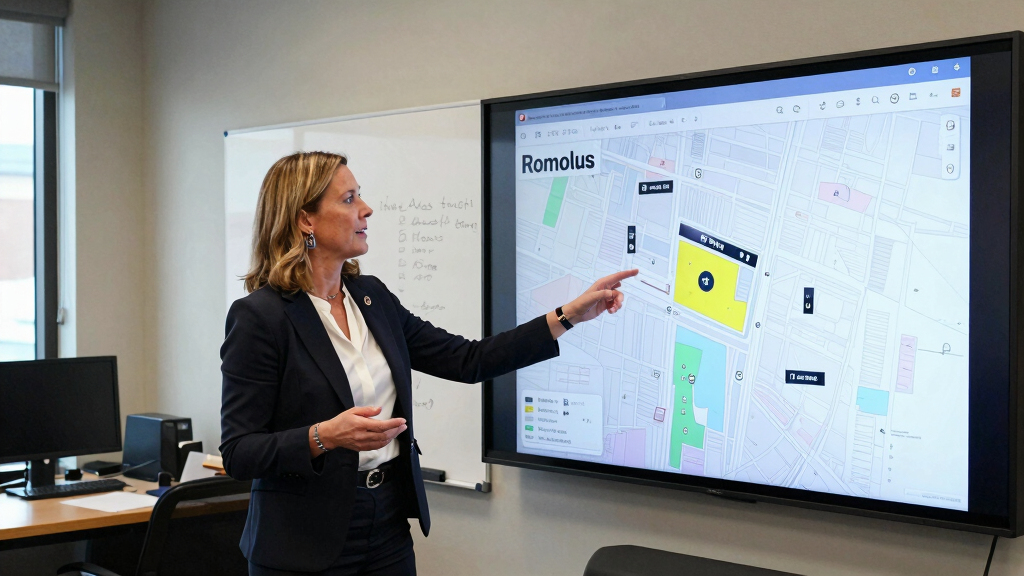
Michigan Attorney General Dana Nessel announced that ICE plans to offload a warehouse in Romulus, Michigan, for potential use as a detention center. The move has sparked legal challenges and community concern. Details about the timeline and scope remain uncertain.
Michigan Attorney General Dana Nessel confirmed on March 2024 that Immigration and Customs Enforcement (ICE) plans to convert a warehouse in Romulus into a detention center. This development marks a significant step in ICE’s efforts to expand detention capacity, raising concerns among local officials and advocacy groups.
Nessel stated that ICE is considering offloading a warehouse located in Romulus, Michigan, for use as a detention facility. The warehouse, previously used for storage, is being eyed as part of ICE’s broader strategy to increase detention capacity amid ongoing legal and political debates about immigration enforcement. The announcement follows reports of ICE’s intention to repurpose existing facilities rather than build new ones, which has prompted legal challenges from local authorities and immigrant advocacy groups.
According to Nessel, the state is actively monitoring the situation and exploring legal options to oppose or regulate the use of the warehouse as a detention site. While ICE has not yet issued an official permit or formal plan, the agency’s intent to move forward is confirmed. Community members in Romulus have expressed concern over potential impacts on safety, property values, and local resources. The warehouse’s conversion could also face legal hurdles, as lawsuits challenging ICE detention practices are ongoing in Michigan and elsewhere.
Implications of ICE’s Warehouse Conversion in Romulus
The planned use of the Romulus warehouse as a detention center could significantly impact local communities, legal landscapes, and immigration enforcement policies. Community opposition and ongoing lawsuits highlight the contentious nature of detention practices in Michigan. The move also signals ICE’s focus on utilizing existing facilities to expand detention capacity, which could influence future detention policies nationwide. For residents, this development raises concerns about safety, property values, and the local economy. For policymakers and legal advocates, it underscores ongoing battles over immigration detention rights and local authority limits.
warehouse security camera system
As an affiliate, we earn on qualifying purchases.
As an affiliate, we earn on qualifying purchases.
Background on ICE Detention Facility Developments in Michigan
ICE has been under increasing scrutiny over its detention practices, with multiple lawsuits challenging the legality and ethics of detention centers across the country, including in Michigan. In recent years, there has been a push to convert existing facilities rather than construct new detention centers, partly due to legal and political pressures. The Romulus warehouse has previously been used for storage and logistics, but its potential conversion into a detention site marks a new chapter in ICE’s utilization of available infrastructure. Local officials have historically expressed concern over the expansion of detention facilities, citing community safety and resource allocation issues. The announcement by Nessel builds on ongoing legal battles and public debates about the role of detention centers in immigration enforcement.
“The community has concerns about safety and the impact on our neighborhoods if this warehouse becomes a detention center.”
— Romulus Mayor
As an affiliate, we earn on qualifying purchases.
Legal and Community Responses Still Developing
It is not yet clear whether ICE will proceed with converting the Romulus warehouse into a detention center or if legal challenges will halt the process. The timeline for any potential conversion has not been announced, and community reactions are still evolving. Ongoing lawsuits and political debates could influence the final decision, but no formal permits or plans have been publicly released.
detention center safety equipment
As an affiliate, we earn on qualifying purchases.
As an affiliate, we earn on qualifying purchases.
Legal Proceedings and Community Engagement Expected Soon
Legal challenges from advocacy groups and local authorities are likely to intensify as ICE moves forward with its plans. The state of Michigan may pursue injunctions or other legal remedies to prevent the conversion. Community groups are organizing protests and public hearings to voice opposition. ICE officials have indicated they will continue evaluating options, but no definitive timeline has been provided for the warehouse’s potential use as a detention center. Further updates are anticipated as legal and political processes unfold.
As an affiliate, we earn on qualifying purchases.
Key Questions
What is the current status of the Romulus warehouse?
ICE is evaluating the warehouse for potential use as a detention center, but no official permits or plans have been finalized.
Why is this development controversial?
Community members and legal advocates oppose the use of the warehouse as a detention center due to concerns over safety, property values, and the ethics of detention practices.
What legal actions are being taken?
Legal challenges are expected from advocacy groups and local officials aiming to prevent or delay the conversion of the warehouse into a detention facility.
When might the warehouse be converted into a detention center?
No specific timeline has been announced; the process depends on legal outcomes and ICE’s operational decisions.
How does this fit into broader immigration detention policies?
This move reflects ICE’s strategy to repurpose existing infrastructure to expand detention capacity amid ongoing legal and political debates over detention practices nationwide.
Source: google-trends
Fall Picks
fall essentials
As an affiliate, we earn on qualifying purchases.