

TL;DR

Get movie nights delivered free with Prime
- Fast, free delivery on millions of items
- Prime Video, Amazon Music and more included
- Member-only deals all year
Russia’s veterinary watchdog confirmed the presence of live pseudorabies virus in a batch of dog vaccines. The discovery is linked to multiple animal deaths, prompting safety investigations. The event raises concerns about vaccine safety and regulatory oversight.
Russia’s veterinary watchdog announced the detection of live pseudorabies virus in a batch of dog vaccines. The find has been linked to multiple cases of animal deaths, prompting urgent safety reviews. This development raises concerns about vaccine safety standards and regulatory oversight in Russia, especially amid ongoing discussions about animal health security.
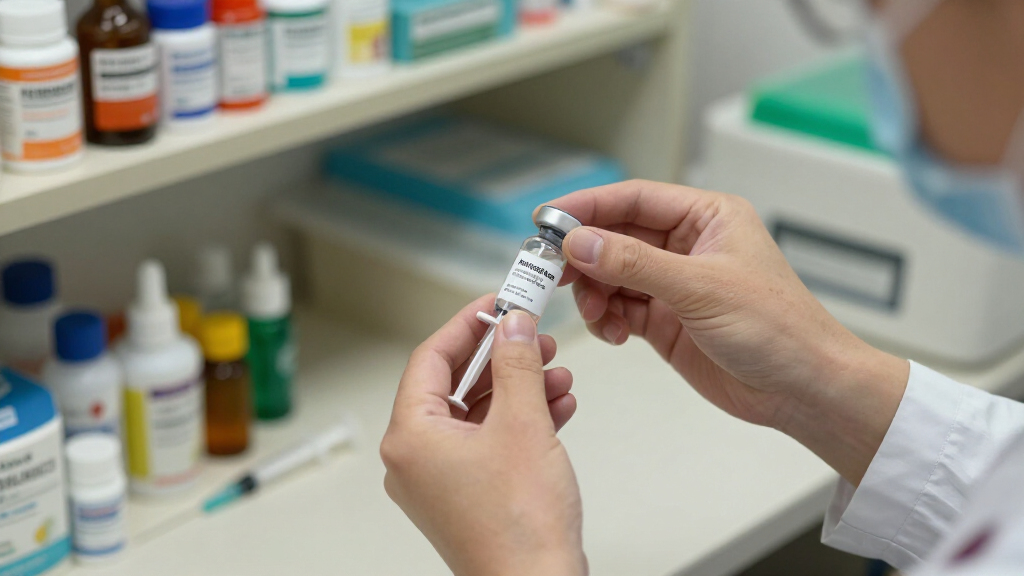
The Russian Federal Veterinary and Phytosanitary Surveillance Service (Rosselkhoznadzor) confirmed that laboratory tests identified live pseudorabies virus in a specific batch of canine vaccines. The batch, produced by a domestic pharmaceutical company, has been withdrawn from circulation following the discovery. The virus was detected during routine quality control checks, according to official sources.
Reports indicate that the batch was administered to hundreds of dogs across multiple regions, with some cases resulting in severe illness and death. The exact number of affected animals remains unclear, but local authorities and veterinary clinics have reported a spike in fatalities consistent with pseudorabies infection symptoms. The vaccine was intended to protect dogs from infectious diseases, but the presence of live virus suggests a serious breach in manufacturing or quality control processes.
Officials from Rosselkhoznadzor have stated that investigations are ongoing to determine how the live virus contaminated the batch. They have emphasized that no other batches are believed to be affected at this time, but the incident has prompted a broader review of vaccine production protocols and regulatory oversight standards. The pharmaceutical company involved has not yet issued a public statement.
Implications for Vaccine Safety and Regulatory Oversight
The discovery of live pseudorabies virus in a dog vaccine batch is a significant breach of vaccine safety standards. Pseudorabies, also known as Aujeszky’s disease, is typically controlled through vaccination, but the presence of live virus indicates a failure in manufacturing or quality control that could undermine public confidence in veterinary vaccines. This incident could lead to stricter regulatory scrutiny and calls for enhanced oversight of vaccine production in Russia and potentially in other markets.
For pet owners and animal health professionals, the event raises concerns about the safety of vaccines currently in circulation. Although the affected batch has been recalled, the incident underscores the importance of rigorous testing and quality assurance in vaccine development. It also highlights the risks posed by contaminated vaccines, which can cause outbreaks of disease rather than prevent them.
Internationally, the case may prompt discussions about cross-border vaccine safety standards and the need for transparent reporting and oversight. The incident could also influence regulatory policies and industry practices aimed at preventing similar contamination in the future.
As an affiliate, we earn on qualifying purchases.
Background on Pseudorabies and Vaccine Production in Russia
Pseudorabies, caused by a herpesvirus, primarily affects pigs but can infect other animals, including dogs and cats, leading to severe neurological symptoms and death. Vaccination is a common control measure, especially in pig farming, but vaccine safety is critical to prevent unintended outbreaks.
Russia has a long history of domestic vaccine production for both human and veterinary use, with regulatory oversight conducted by Rosselkhoznadzor. While the country has made efforts to modernize its pharmaceutical standards, incidents of contamination or quality lapses have occasionally been reported, raising concerns about oversight efficacy.
This incident involving a dog vaccine is the latest in a series of safety alerts that have prompted increased scrutiny of veterinary vaccine manufacturing. The event comes amid broader debates about regulatory transparency and the safety of domestically produced animal health products.
It is not yet clear whether this contamination is isolated or indicative of systemic issues within the vaccine production sector in Russia.
canine vaccine with live virus testing kits
As an affiliate, we earn on qualifying purchases.
As an affiliate, we earn on qualifying purchases.
Unresolved Questions About Contamination and Impact
It is not yet clear how the live pseudorabies virus contaminated the vaccine batch—whether due to manufacturing errors, contamination during production, or other factors. The full scope of affected animals and whether other batches are compromised remain unknown. Investigations are ongoing, and no definitive conclusions have been announced about systemic issues or future safety measures.
pet vaccine safety testing equipment
As an affiliate, we earn on qualifying purchases.
As an affiliate, we earn on qualifying purchases.
Next Steps in Investigation and Regulatory Review
Authorities plan to complete laboratory analyses and trace production processes to identify contamination sources. The pharmaceutical company involved is expected to cooperate fully with investigations. Regulatory agencies may implement stricter oversight and testing protocols for veterinary vaccines. Public health and animal welfare groups are likely to monitor developments closely, and further safety advisories could follow depending on findings.
As an affiliate, we earn on qualifying purchases.
Key Questions
What is pseudorabies and how does it affect animals?
Pseudorabies is a viral disease caused by a herpesvirus that primarily infects pigs but can also infect other animals, including dogs. It causes neurological symptoms, severe illness, and often death. Vaccination is used for control, but contaminated vaccines can spread the virus.
How widespread is the vaccine contamination?
It is currently believed to be limited to a single batch produced by a specific manufacturer. Authorities have recalled this batch and are investigating whether other batches are affected.
What are the risks to pet owners and animals?
The main risk is the potential for vaccinated animals to contract the virus if contaminated vaccines are used. This incident could also undermine trust in veterinary vaccines and vaccination programs.
Will this affect vaccine regulation in Russia?
Yes, the incident is likely to prompt stricter regulatory oversight and more rigorous testing protocols for veterinary vaccines, aimed at preventing similar contamination in the future.
Are other countries affected by this incident?
Currently, the contamination appears to be confined to a specific batch in Russia. However, if the vaccine was exported, there could be international implications, which authorities are monitoring closely.
Source: rss
Halloween Picks
halloween
As an affiliate, we earn on qualifying purchases.