


Looking for a stereo receiver that balances sound quality, features, and affordability? The Yamaha R-S202BL stands out as the best overall choice for most users, thanks to its reliable performance and straightforward design. For those seeking versatile home theater capabilities, the Denon AVR-X1700H offers impressive power and built-in streaming options. Meanwhile, the Sony STRDH190 provides a budget-friendly entry point with Bluetooth and phono inputs. This guide will walk you through the key differences, helping you decide which stereo receiver aligns best with your needs. Continue reading for the complete breakdown of each option.

Get movie nights delivered free — and shop member deals
- Fast, free delivery on millions of items
- Access to Prime Big Deal Days deals on October 6–7
- Prime Video, Amazon Music and more included
Key Takeaways
- The top-ranked Yamaha R-S202BL offers reliable, straightforward stereo sound with minimal fuss, making it ideal for simple setups.
- AV receivers like the Denon AVR-X1700H excel in home theater integration, with multi-channel support and streaming features, but they tend to be more expensive.
- Bluetooth connectivity is common across many models, yet the quality and ease of use vary; prioritize receivers with stable, high-quality Bluetooth if wireless streaming matters.
- Power output and channel count are critical; higher wattage and more channels support larger rooms and surround sound, but may increase cost and complexity.
- Build quality and future-proofing, such as support for 8K or Dolby Atmos, differ significantly and can influence long-term satisfaction.
| Yamaha R-S202BL Stereo Receiver |  | Best Overall for Simplicity and Wireless Streaming | Power Output: 85 watts per channel | Channels: 2 | Frequency Response: 10Hz – 100kHz | VIEW ON AMAZON | See Our Full Breakdown |
| Denon AVR-X1700H 7.2 Channel AV Receiver – 80W/Channel, Built-in HEOS |  | Best for Immersive Home Theater with Future-Proof Tech | Channels: 7.2 | Power per Channel: 80W | HDMI Inputs: 6 | VIEW ON AMAZON | See Our Full Breakdown |
| Denon AVR-S570BT 5.2 Channel AV Receiver – 8K Ultra HD Audio & Video | 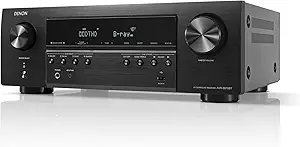 | Best for 8K Video and Easy Setup in Mid-Size Systems | Channels: 5.2 | Power: 70W x 5 | HDMI Inputs: 4 HDMI 2.1 8K inputs | VIEW ON AMAZON | See Our Full Breakdown |
| Sony STRDH190 2-Ch Home Stereo Receiver with Phono Inputs & Bluetooth |  | Best for Vinyl Lovers and Compact Music Setups | Frequency Band: 2,400 MHz – 2,483.5 MHz | Maximum Output Power: ≤ 5.0 dBm | Connector Type: Bluetooth | VIEW ON AMAZON | See Our Full Breakdown |
| Yamaha RX300A 5.2-Channel Home Theater AV Receiver with Dolby Atmos, 4K120/8K HDMI, Bluetooth Multipoint |  | Best for Dolby Atmos and Flexible Speaker Configurations | Channels: 5.2 | Power: 70W per channel | HDMI Inputs: 4 | VIEW ON AMAZON | See Our Full Breakdown |
| Sony STRDH590 5.2 Channel Surround Sound Home Theater Receiver |  | Best for Enthusiasts Wanting 4K HDR and Virtual Surround | Channels: 5.2 | Power: 725W | Supported Video: 4K HDR, HDCP 2.2 | VIEW ON AMAZON | See Our Full Breakdown |
| Sony STRDH190 2-Ch Stereo Receiver Bundle |  | Best for Vinyl and Analog Music Lovers on a Budget | Type: 2-channel stereo receiver | Connectivity: Bluetooth, Phono inputs, 4 analog audio inputs | High-Resolution Audio: Yes | VIEW ON AMAZON | See Our Full Breakdown |
| stereo receiver | Channels | HDMI Inputs |
|---|---|---|
| Yamaha R-S202BL Stereo Receive | 2 | — |
| Denon AVR-X1700H 7.2 Channel A | 7.2 | 6 |
| Denon AVR-S570BT 5.2 Channel A | 5.2 | 4 HDMI 2.1 8K inputs |
| Sony STRDH190 2-Ch Home Stereo | — | — |
| Yamaha RX300A 5.2-Channel Home | 5.2 | 4 |
| Sony STRDH590 5.2 Channel Surr | 5.2 | 4 |
| Sony STRDH190 2-Ch Stereo Rece | — | — |
More Details on Our Top Picks
Yamaha R-S202BL Stereo Receiver
The Yamaha R-S202BL stands out as a straightforward stereo receiver that combines classic design with modern wireless features. Its 85W per channel power makes it ideal for filling a room with clear, dynamic sound, especially when streaming music via Bluetooth 4.1 + EDR. Compared to the Sony STRDH190, it offers slightly more power and a more stylish brushed aluminum finish, but it lacks multi-zone capabilities and advanced connectivity options. This receiver excels for those seeking reliable, high-quality stereo sound with minimal setup and a sleek look. The absence of surround sound support limits its use to stereo setups, making it less suitable for home theater enthusiasts.
Pros:- Wireless Bluetooth streaming capability
- Powerful 85W per channel output
- Supports multiple speaker systems with selector switches
- Sleek brushed aluminum finish
Cons:- Limited to 2 channels, not suitable for surround sound
- Basic remote control features
- No detailed info on additional connectivity options
Best for: Individuals who want a simple, stylish stereo receiver with wireless streaming for their music-focused space.
Not ideal for: Home theater users needing multi-channel surround sound or complex connectivity options.
- Power Output:85 watts per channel
- Channels:2
- Frequency Response:10Hz – 100kHz
- Bluetooth Version:4.1 + EDR
- Color:Black
- Warranty:Amazon
Our verdict“This receiver makes the most sense for users seeking a simple, stylish stereo with wireless music streaming and reliable power.”
Denon AVR-X1700H 7.2 Channel AV Receiver – 80W/Channel, Built-in HEOS
The Denon AVR-X1700H is designed for those who prioritize a cinematic experience, supporting 7.2 channels with 80W per speaker and the latest 8K/60Hz and 4K/120Hz pass-through. Its multi-dimensional audio formats like Dolby Atmos and DTS:X elevate home theater sound, while built-in HEOS streaming simplifies multi-room audio. Compared to the Yamaha RX300A, it offers more channels and higher versatility for surround sound, yet its complexity can be overwhelming for beginners. This model is best suited for dedicated home theater setups where multi-channel sound and advanced connectivity are essential. Casual users who do not plan to expand their system or need straightforward stereo will find it unnecessarily complex and expensive.
Pros:- Supports the latest 8K video and 3D audio formats
- Multiple HDMI inputs and outputs for flexible device connection
- Built-in HEOS for seamless wireless multi-room music
Cons:- Complex setup may be challenging for beginners
- High-end features might be overkill for casual listening
- Higher price point relative to simpler receivers
Best for: Home theater enthusiasts seeking immersive sound with cutting-edge video support and multi-room streaming.
Not ideal for: Casual listeners or those with limited space who only want basic stereo sound without surround features.
- Channels:7.2
- Power per Channel:80W
- HDMI Inputs:6
- Supports:8K/60Hz, 4K/120Hz, Dolby Atmos, DTS:X
- Built-in:HEOS
- Warranty:Not specified
Our verdict“This receiver is ideal for serious home theater fans who want future-proof audio and video capabilities and multi-room streaming.”
Denon AVR-S570BT 5.2 Channel AV Receiver – 8K Ultra HD Audio & Video
The Denon AVR-S570BT offers a compelling balance of power and modern features for home theater novices or those upgrading from basic models like the Sony STRDH190. Its 70W per channel supports vibrant sound, while four HDMI 2.1 inputs ensure compatibility with the latest 8K devices. Unlike higher-end models, it doesn’t support more than 5.2 channels or multi-zone audio, but it handles all current video formats, including Dolby Vision and HDR. Its Bluetooth streaming and quick on-screen setup appeal to users wanting straightforward installation. For larger or more complex setups, this model might fall short, but it fits well for those seeking 8K support without extra complexity.
Pros:- Supports 8K HDMI inputs and latest HDR formats
- Powerful 70W per channel for immersive sound
- Built-in Bluetooth for wireless streaming
- Easy on-screen setup assistant
Cons:- Limited to 5.2 channels, not expandable to larger systems
- No multi-zone or multi-room features
- Requires compatible speakers for surround sound
Best for: Home theater enthusiasts upgrading to 8K content with an easy-to-use interface and modest budget.
Not ideal for: Users aiming for multi-zone audio or a full 7.1 surround sound system with more advanced features.
- Channels:5.2
- Power:70W x 5
- HDMI Inputs:4 HDMI 2.1 8K inputs
- HDMI Output:1
- Supports:HDR, Dolby Vision, HDR10+, Dynamic HDR
- Standby Power:0.1 W
Our verdict“This receiver offers a straightforward upgrade path to 8K content in a compact, easy-to-manage package for mid-sized systems.”
Sony STRDH190 2-Ch Home Stereo Receiver with Phono Inputs & Bluetooth
The Sony STRDH190 is tailored for music enthusiasts who appreciate vinyl records, thanks to the dedicated phono input. Its 100W per channel output ensures lively stereo sound, while Bluetooth makes wireless streaming from smartphones or tablets effortless. Compared to the Yamaha R-S202BL, it offers more power and an integrated phono stage, but it’s limited to stereo sound and doesn’t support surround or multi-room features. Its compact profile fits neatly into smaller spaces, making it ideal for a dedicated music corner. However, those looking for multi-channel home theater or smart features should look elsewhere, as this is a straightforward stereo solution.
Pros:- High 100W per channel power output
- Built-in Bluetooth for wireless music streaming
- Phono input ideal for turntables
- Compact design fits small spaces
Cons:- Limited to 2-channel stereo sound
- No Wi-Fi or smart features
- Basic display lacks advanced controls
Best for: Vinyl collectors or music fans who want a high-powered stereo with Bluetooth and a dedicated turntable input.
Not ideal for: Home theater users seeking multi-channel surround sound or smart home integration.
- Frequency Band:2,400 MHz – 2,483.5 MHz
- Maximum Output Power:≤ 5.0 dBm
- Connector Type:Bluetooth
- Power Output:100 watts x 2 (8 ohms, 1 KHz)
- Speaker Impedance:6–16 ohms
- Inputs:Phono, 4 stereo RCA, 3.5mm
Our verdict“This receiver is perfect for vinyl lovers and those wanting a powerful, straightforward stereo with wireless streaming capabilities.”
Yamaha RX300A 5.2-Channel Home Theater AV Receiver with Dolby Atmos, 4K120/8K HDMI, Bluetooth Multipoint
The Yamaha RX300A is designed for those who want an immersive home theater experience without the complexity of higher-end models. Its 5.2 channels support Dolby Atmos and DTS Virtual:X, creating a spacious soundscape, while its 4K120/8K HDMI support ensures compatibility with the latest video standards. Automatic room correction helps optimize sound, and Bluetooth Multipoint allows seamless streaming from multiple devices. Compared with the Denon AVR-X1700H, it offers fewer channels but simplifies setup and still delivers impressive Atmos effects. This pick is ideal for users with smaller rooms or those who prefer a straightforward, Atmos-enabled system over multi-channel configurations. It’s less suitable for larger, multi-zone setups or those requiring advanced smart features.
Pros:- Supports Dolby Atmos and DTS Virtual:X
- High-resolution 4K and 8K video support
- Automatic room correction for optimized sound
- Bluetooth Multipoint streaming
Cons:- Setup can be complex for less tech-savvy users
- Limited to 5.2 channels, not expandable to larger systems
- No built-in voice assistant
Best for: Home theater lovers seeking immersive Atmos sound with easy setup and flexible speaker placement.
Not ideal for: Advanced users needing 7.1 or larger configurations, or multi-zone audio features.
- Channels:5.2
- Power:70W per channel
- HDMI Inputs:4
- HDMI Output:1
- Video Support:4K120/8K60, Dolby Vision, HDR10+
- Bluetooth:Multipoint
Our verdict“This receiver offers a compelling balance of immersive Atmos audio and straightforward setup for smaller home theaters.”
Sony STRDH590 5.2 Channel Surround Sound Home Theater Receiver
The Sony STRDH590 stands out for delivering a solid 5.2 channel surround experience with support for 4K HDR and HDCP 2.2, making it a good choice for those wanting cinematic quality at home. Compared to the Yamaha RX300A, which offers Dolby Atmos and more advanced HDMI features, the Sony is simpler but still provides virtual surround sound that enhances watching movies. The built-in Bluetooth makes it easy to stream music wirelessly, yet its setup can be complex, especially for less tech-savvy users who might struggle with configuring multiple HDMI inputs. It lacks Wi-Fi connectivity, limiting streaming options beyond Bluetooth, which could be a downside for those wanting integrated smart features. Overall, this receiver suits users who prioritize high-quality video and immersive sound without the need for advanced networking capabilities, but it may frustrate those seeking a straightforward plug-and-play experience.
Pros:- Supports 4K HDR and HDCP 2.2 for high-quality video playback
- Built-in Bluetooth for wireless music streaming
- Multiple HDMI inputs for connecting various devices
- Virtual surround sound enhances cinematic experience
Cons:- Complex setup that may require manual troubleshooting
- Limited detailed user reviews for long-term reliability
- No Wi-Fi connectivity for streaming apps
Best for: Home theater enthusiasts seeking 4K HDR support and virtual surround sound on a budget
Not ideal for: Casual listeners who prefer simple setups or integrated streaming platforms without extensive manual configuration
- Channels:5.2
- Power:725W
- Supported Video:4K HDR, HDCP 2.2
- HDMI Inputs:4
- Bluetooth:Yes
- Output Power:145W
Our verdict“This receiver is well-suited for users wanting cinematic sound and 4K support but who are comfortable with some setup complexity.”
Sony STRDH190 2-Ch Stereo Receiver Bundle
The Sony STRDH190 shines as a straightforward stereo receiver ideal for those integrating vinyl with digital sources, thanks to its dedicated phono input. Unlike the Yamaha R-S202BL, which offers more modern connectivity options, this model focuses on simplicity and high-quality stereo sound, making it perfect for dedicated music enthusiasts. The included speaker wire and banana plugs make setup easier for newcomers or those who prefer a clean, reliable connection. Its limited to 2 channels, so it won’t satisfy home theater needs, and the absence of Wi-Fi or streaming services restricts its use to local sources. If your priority is high-resolution audio from vinyl or digital sources in a compact, easy-to-set-up package, this receiver makes a compelling choice, but it’s not suitable for surround sound or multi-room setups.
Pros:- Supports Bluetooth connectivity with standby feature
- Includes high-quality speaker wire and banana plugs for easy setup
- Dedicated phono input for turntable connection
- Supports high-resolution audio for clear sound
Cons:- Limited to 2-channel stereo, not suitable for surround sound
- No Wi-Fi or streaming platform support
- Design may be too low-profile for some home setups
Best for: Music lovers who want a simple, high-quality stereo setup with vinyl support
Not ideal for: Home theater fans seeking multi-channel surround sound or integrated streaming services
- Type:2-channel stereo receiver
- Connectivity:Bluetooth, Phono inputs, 4 analog audio inputs
- High-Resolution Audio:Yes
- Power Transformer:Large capacity
- FM Tuner:Yes, 30 presets
- Dimensions:5 ¼ inches tall
Our verdict“This receiver offers excellent stereo performance for vinyl and digital music enthusiasts who prioritize simplicity and quality over surround sound features.”

How We Picked
In selecting these stereo receivers, I focused on a combination of performance, usability, build quality, and value. I prioritized models with versatile features suitable for different budgets and setups, from simple stereo listening to full home theater systems. The ranking reflects how well each receiver balances these factors, with stronger emphasis on sound quality, connectivity options, and future-proofing. I also considered user reviews and brand reputation to ensure reliability, while keeping an eye on features that offer clear benefits versus unnecessary extras. The goal was to identify options that serve a range of buyers without sacrificing core performance.Factors to Consider When Choosing Stereo Receivers
Choosing the right stereo receiver involves understanding several key factors that impact your listening experience and long-term satisfaction. Beyond just wattage and channels, consider compatibility with your existing gear, future upgrade plans, and how intuitive the controls are. Making the right tradeoffs between features and budget can prevent frustration down the line. This guide covers the main considerations to help you make an informed decision and avoid common pitfalls.Power Output and Channel Count
Power output determines how loud and clear your music or movies will sound, especially in larger rooms. While more channels support surround sound setups, they also increase complexity and cost. Buyers should match the receiver’s power to their space and speaker capabilities—overpowering can damage speakers, while underpowering results in weak sound. Consider your room size and whether you plan to expand your system when evaluating power and channels.
Connectivity and Streaming
Modern receivers often include Bluetooth, Wi-Fi, and streaming services. Prioritize models with reliable Bluetooth if wireless music playback from your devices is important. Wi-Fi and integrated streaming platforms (like Spotify or Tidal) add convenience but can vary in ease of use and stability. Check for multiple HDMI inputs, digital outputs, and compatibility with your existing gear to avoid future upgrades or mismatches.
Build Quality and Future-Proofing
A well-built receiver lasts longer and offers better sound stability. Look for models with solid chassis, quality components, and good heat management. Future-proofing features like 8K support, Dolby Atmos, and HDMI 2.1 ensure your system remains relevant as technology advances. However, these features often come at a higher price, so assess whether they match your planned usage and setup.
Ease of Use and Interface
A receiver with an intuitive interface and straightforward setup saves time and frustration. Consider models with clear menus, remote controls, or mobile app integration. Some receivers offer auto-calibration features that simplify speaker setup. Avoid overly complex interfaces if you prefer quick adjustments or are less tech-savvy, but don’t sacrifice essential features for simplicity.
Budget and Value
Prices for stereo receivers vary widely, and it’s easy to overspend on features you don’t need. Focus on core performance and features that match your use case—spending more on a powerful, future-proof model makes sense if you plan to upgrade over time. Conversely, budget models can serve well for basic stereo listening, but may lack advanced connectivity or high-end audio features, so weigh these tradeoffs carefully.
Frequently Asked Questions
Can I connect a stereo receiver to my smart home system?
Many modern receivers include Wi-Fi and compatibility with voice assistants or smart home platforms. Check for models that support protocols like Alexa, Google Assistant, or Apple HomeKit if integration is important. This allows you to control your audio system via voice commands or automation routines, creating a seamless experience. Keep in mind that setup complexity and compatibility vary, so verify specific features before purchasing.
Is it better to buy a dedicated stereo receiver or an AV receiver for my setup?
If your primary goal is simple stereo listening, a dedicated stereo receiver usually offers better sound quality and a more straightforward interface at a lower cost. AV receivers, on the other hand, support multiple channels, surround sound, and home theater features, making them more versatile but often more complex and expensive. Your choice should reflect your intended use—if you want immersive home theater, an AV receiver is the way to go; for pure stereo, a dedicated model is often preferable.
How important is support for 8K and HDMI 2.1 in a stereo receiver?
Support for 8K and HDMI 2.1 is crucial if you plan to connect the latest gaming consoles, 8K TVs, or high-resolution sources. These features ensure your receiver can handle the highest video and audio quality standards, providing better future-proofing. However, for purely stereo or older setups, these features may be unnecessary, and paying extra for them might not be justified. Consider your current equipment and plans before prioritizing these capabilities.
Should I prioritize watts or channels when choosing a receiver?
While higher wattage can deliver louder sound, it’s not the only factor to consider. The number of channels determines whether your system can support surround sound configurations or future expansion. For small rooms, lower wattage may suffice, but larger spaces benefit from more power. Balancing wattage with the number of channels and compatibility with your speakers will yield the best overall sound experience. Focus on matching the receiver’s specs with your room size and speaker setup.
Do I need a separate amplifier if I buy a stereo receiver?
Most stereo receivers have built-in amplifiers, making a separate amplifier unnecessary for typical home audio setups. However, high-end audiophiles or custom integrations might prefer external amplifiers for more power or better sound quality. For the average user, a good quality stereo receiver provides ample amplification, simplifying your setup and reducing clutter. Evaluate your power needs and budget to decide if an external amp is warranted.
Conclusion
For most buyers, the Yamaha R-S202BL offers reliable, straightforward stereo sound at an accessible price point, making it perfect for simple setups or newcomers. If you want a versatile system with streaming and home theater capabilities, the Denon AVR-X1700H stands out as a premium choice, suited for those who plan to expand their system. Budget-conscious shoppers will appreciate the Sony STRDH190 for its affordability and ease of use. Heavy users or audiophiles seeking future-proofing should consider models with 8K support and Dolby Atmos. Your ideal pick depends on your space, usage, and how much you want to invest in features—choose accordingly to get the best value for your needs.
Fall Picks
fall essentials
As an affiliate, we earn on qualifying purchases.